How to Handle Bulky Waste Items on a Tight Budget
When it comes to managing household waste, large items such as furniture, old appliances, mattresses, and construction debris present a unique challenge. These bulky waste items can quickly accumulate, leading to cluttered spaces and potential safety hazards. Unfortunately, disposing of these items can be costly, and not everyone can afford expensive removal services. If you're seeking tips on how to dispose of bulky waste without stretching your wallet, you're in the right place.
Understanding Bulky Waste: What Qualifies as Bulky Waste?
Before exploring budget-friendly disposal solutions, it's essential to understand what bulky waste includes. Bulky waste (also called large item waste or bulk trash) typically refers to those household items too large or heavy for regular curbside garbage collection.
- *Old sofas, couches, armchairs*
- *Mattresses and bed frames*
- *Large appliances (refrigerators, washing machines, ovens)*
- *Desks, cabinets, dressers, tables, and chairs*
- *Carpets and rugs*
- *Construction and renovation debris*
Storing these items long-term isn't practical, so finding efficient and affordable solutions is key.
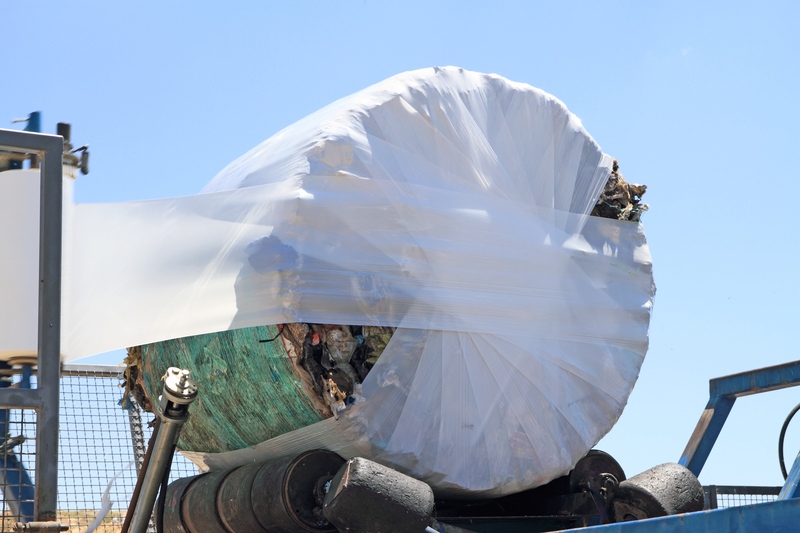
Why Is Bulky Waste Removal Challenging on a Tight Budget?
Disposing of bulky items is often expensive, with many municipalities charging special pickup fees and private junk removal companies quoting hundreds of dollars. Here's why budget-friendly removal can be challenging:
- High hauling costs: Bulky items usually require special trucks, handling and labor, which increases disposal fees.
- Limited curbside collection: Not all areas offer regular large item pickup, and some services require advance scheduling or fees.
- Landfill limitations: Certain landfills have restrictions or extra fees for accepting bulky trash.
But don't worry--you have options! Let's explore actionable solutions for cost-effective bulky waste disposal.
How to Handle Bulky Waste Items on a Tight Budget: Top Strategies
1. Take Advantage of Municipal Free Pickup Days
Many cities and towns organize free bulky waste collection days once or twice a year. These events allow residents to leave large items at the curb for pickup at no charge. To make the most of these programs:
- Check your local waste management website for event dates and guidelines.
- Set an annual or semi-annual reminder so you never miss the collection day.
- Properly prepare items - clean, drain fluids, remove doors or hazardous parts (like fridge doors), and keep items dry if possible.
- Gather items early - some municipalities have "first come, first served" rules and limited space per address.
2. Donate Usable Items to Charities or Nonprofits
One of the most cost-effective and eco-friendly ways to dispose of bulky items is donating. Charities, nonprofits, and thrift stores often accept large furnishings, appliances, and equipment--especially if they still work or are in good condition.
- *Research organizations* like Habitat for Humanity ReStore, Salvation Army, Goodwill, or local shelters.
- *Some nonprofits offer free pickup services* for large donations. Ensure you check requirements and schedule ahead.
- *Donation keeps usable items out of the landfill* and supports those in need.
3. Sell or Give Away for Free
Your trash may be someone else's treasure! If your bulky waste items are still functional--or if you can break them down for parts--consider these options:
- List items on free online marketplaces: Try Craigslist, Facebook Marketplace, Freecycle, Nextdoor, or OfferUp.
- Highlight the free aspect and "must be picked up" in your description for quick results.
- Host a curb alert: Leave items at the curb with a "FREE" sign. Often, neighbors or passersby will pick them up quickly.
- *If you have valuable or vintage pieces, try selling to secondhand dealers or through resale apps.*
This approach is not only cost-free but may even bring in a small profit!
4. Explore Local Scrap Yards and Recycling Centers
For metal appliances, bikes, and electronics, scrap yards and recycling centers are a budget-friendly disposal solution. Many centers accept bulky metal waste for free, and some may even pay you for valuable scrap materials.
- Call nearby scrap yards: Find out what bulky items or materials they accept (e.g., washers, dryers, old bikes, metal bed frames).
- Ask about pick-up services: While most require you to drop items off, some offer free or low-cost pickup for large loads.
- Bring identification and follow safety rules: Wear gloves, and be careful when handling heavy or sharp items.
5. Break Down Bulky Waste for Easier Disposal
One cost-saving tip is to dismantle large items, separating them into smaller, manageable pieces for regular curbside collection. Breaking down waste can help you:
- Fit items into standard trash bins or bags, saving on special pickup costs.
- Sort waste for recycling: Remove wood, metal, plastic, and upholstery materials to increase recycling rates.
- Follow local guidelines--some municipalities allow small sections of furniture to be disposed of as standard trash each week.
6. Pool Resources with Neighbors or Friends
Hiring a dumpster or paying for special collection is often expensive, but it becomes economical if you share costs. Consider organizing a "Neighborhood Bulky Waste Day" with friends or neighbors:
- Rent a shared dumpster for a weekend; split costs among several households.
- Book a group junk removal service--companies may offer group rates for multiple pickups in the same area.
- Coordinate scheduling so everyone can chip in and help with the heavy lifting!
7. Check for Appliance Exchange or Rebate Programs
If you're disposing of old appliances, local utilities, manufacturers, or government agencies may offer rebate or exchange programs. These initiatives often include free pickup of old refrigerators, washers, or air conditioners.
- Visit your city, electric, or water utility's website and look for "appliance recycling" programs.
- *Call manufacturers*--some offer discounts or cash back when you recycle certain models or brands.
- Apply early: These offers are often limited in number or seasonal.
8. Utilize Community "Clean Up" Events
Many communities organize neighborhood clean-up days or bulky waste drives. Local volunteers, city workers, or businesses may sponsor large dumpsters and provide hauling. Take full advantage of these events by:
- *Watching for announcements* via local news, social media, or community boards.
- *Registering early,* as space is often limited and demand is high.
- Asking about accepted item limits or prohibited items like tires, hazardous waste, or electronics.
Money-Saving Tips for Bulky Waste Removal
- Plan ahead: Anticipate when you'll need to dispose of large items (moving house, renovating, etc.) and watch for low-cost or free opportunities.
- Store items safely (covered, dry, and out of the way) until a free or inexpensive removal opportunity arises.
- Reuse before disposal: Repurpose old furniture as garage shelving, pet beds, or garden planters to reduce the amount you must throw away.
- Ask for help: Friends, family, and neighbors may have trucks, tools, or experience to assist with bulky waste handling.
What to Avoid When Disposing of Bulky Waste Cheaply
While budget considerations are important, responsible disposal matters just as much. Never cut corners by:
- Illegal dumping: Abandoning bulky items in alleys, streets, or rural areas risks legal trouble & environmental harm.
- Burning or backyard disposal: Burning waste can create toxic fumes and is usually illegal. Avoid burying large items, as it can contaminate soil.
- Disposing of electronics or hazardous items irresponsibly--old TVs, paint, batteries, or chemicals require special disposal.
Need Extra Help?
*If you've exhausted budget options, reach out to your local city hall, housing authority, or public works department--many keep lists of low-cost or subsidized removal services for qualifying residents, seniors, or those with disabilities.*
Eco-Friendly Alternatives for Handling Large Waste Items
*Environmentally friendly disposal is often easy on the wallet and easy on the planet! Here are some sustainable, low-cost solutions:*
- Upcycle items--turn old doors into tabletops, pallets into patio seating, or dressers into garden tool sheds; find creative inspiration on DIY sites.
- Contact local artists or theater groups; many seek old furniture or props for creative projects.
- Post on Freecycle or Buy Nothing groups: Community members often take items for reuse or recycling.
Handling Bulky Waste When You Don't Have a Car or Truck
*Don't own a large vehicle? That doesn't mean you're out of options!*
- Ask around: Borrow a friend's truck or split a trip with a neighbor also needing a dump run.
- Rent a truck or van for a few hours: Many home improvement stores offer low-cost rentals.
- Use delivery/pickup apps: Some gig economy services (like TaskRabbit, Dolly, or GoShare) offer low-cost bulky item hauling--compare rates and read reviews first.

Frequently Asked Questions About Bulky Waste on a Budget
Can bulky waste be left curbside for regular trash collection?
Most municipalities limit curbside pickup of large items; check with your city for policies or designated collection days to avoid citations or fines.
How can I find local free or low-cost bulky waste disposal options?
Consult your city's website, call public works, or use search phrases like *"bulky waste drop-off near me"* or *"free item pickup in [your city]"*.
Is it possible to make money from bulky waste disposal?
Yes! Sell valuable items, recycle scrap metal for cash, or receive rebates through appliance exchange programs.
Conclusion: Save Money and Stay Clutter-Free
Handling bulky waste items on a tight budget is entirely possible with a little creativity and research. From utilizing community services to donating, selling, or breaking down items for easier disposal, you have a wide range of cost-effective, environmentally friendly options at your disposal. Remember--always dispose of waste responsibly to protect your community and the environment.
*By following the above strategies, not only do you keep your living space organized and safe, but you also ensure you're getting rid of unwanted large items without overspending. Next time you face the daunting task of clearing out bulky waste, use these tips and save your hard-earned cash!*
Ready to rid your home of bulky items without breaking the bank? Put these methods into practice today--and enjoy a cleaner, clutter-free space!