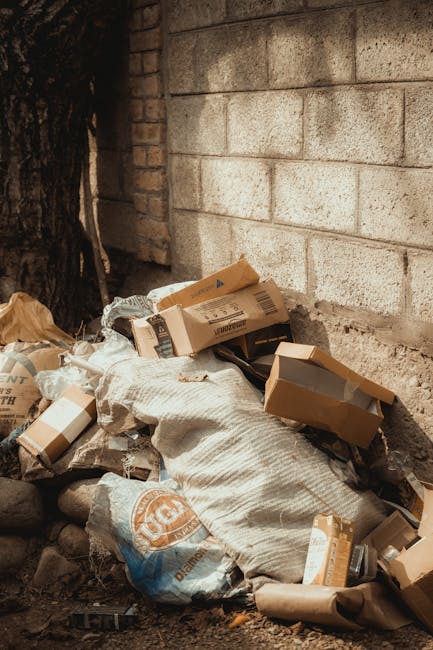
Avoid hidden rubbish removal charges in Willesden: a practical guide to fair pricing and no-surprise bookings
If you have ever asked for a rubbish removal quote and then felt your stomach drop at the final bill, you are not alone. Hidden extras can creep in fast: access fees, heavy-lifting charges, congestion costs, minimum-load add-ons, even vague "disposal" charges that were never clearly explained. This guide shows you how to avoid hidden rubbish removal charges in Willesden, what a transparent quote should include, and how to spot the warning signs before anyone turns up with a van.
Willesden is busy, practical, and full of homes, flats, shops, and renovation projects that all create different types of waste. That means pricing should be clear, tailored, and honest. Not flashy. Not confusing. Just clear. In the sections below, you will learn what to ask, what to compare, and how to protect your budget without making the job harder than it needs to be.
Why avoiding hidden rubbish removal charges in Willesden matters
Hidden charges are not just annoying. They can completely change whether a rubbish removal booking feels like good value or a bit of a trap. A quote that looks reasonable at first glance may become expensive once the crew adds fees for stairs, parking, sorting, or items that were supposedly not included. And if you are already dealing with a stressful clear-out, the last thing you want is a dispute at the kerbside.
In Willesden, that matters even more because properties vary so much. You might be clearing a top-floor flat, a compact terrace, a loft packed with old belongings, or a small office with mixed waste. Each setup brings different handling demands. A fair quote should reflect reality, not rely on broad promises and fine print that nobody has time to decode.
There is also a trust issue. Transparent pricing tells you a lot about how a company works. If they are upfront about weight limits, item categories, loading time, and access conditions, that usually means they are thinking carefully about the whole job. If not... well, let's face it, you may be in for surprises later.
Expert summary: the cheapest headline price is rarely the cheapest real price. A clear, itemised rubbish removal quote is usually the safest way to protect your budget and avoid awkward conversations on the day.
For readers who want to understand the wider service landscape before booking, it can also help to review the provider's pricing and quotes approach and broader waste removal service details. That gives you a better sense of what is normally included and what should be explained in advance.
How rubbish removal pricing usually works
Rubbish removal pricing is often based on a mix of volume, weight, labour, waste type, and access. In plain English, that means the quote should reflect how much there is, how hard it is to move, and where it needs to come from. A quote for a few bulky items from a driveway is very different from a full flat clearance with several flights of stairs and limited parking.
Most transparent providers will talk about the main variables before the job starts. They may ask for photos, a short description, or a rough list of items. That is not them being fussy. It is how they reduce the chance of misunderstandings. If you skip that part, you leave room for guesswork, and guesswork is where hidden rubbish removal charges tend to live.
The common extra charges people get caught by include:
- additional labour for difficult access
- heavy or awkward items such as wardrobes, fridges, or old mattresses
- parking complications or long carries from the vehicle
- special waste handling, especially mixed or restricted materials
- unsorted loads that take more time to process
- minimum charge top-ups when the job is smaller than expected
None of those are automatically unreasonable. The issue is whether they were disclosed clearly. That is the difference between a fair adjustment and a nasty surprise.
If your job is more specialised, the service page may also help you understand how the provider handles different waste streams, such as builders waste clearance, garage clearance, or loft clearance. Each one tends to have its own practical quirks, and pricing should reflect that.
Key benefits and practical advantages
Keeping rubbish removal charges transparent is not just about saving a few pounds. It gives you control. You know what you are paying for, you can compare providers properly, and you can schedule the job without second-guessing every detail.
1. Better budgeting
When the price is clearly explained, you can plan around it. That is especially useful if you are clearing a home after a move, a refurbishment, or an office reset where the costs are already piling up. A clear quote helps you avoid the all-too-common "I thought it would be less" moment.
2. Less stress on the day
Clear pricing reduces tension when the crew arrives. Nobody has to argue over whether the sofa counts as an extra item or whether the staircase was "harder than expected". Things just move along. Quietly, ideally.
3. Faster decisions
If you understand the price structure, you can compare options quickly and choose the service that fits your waste, your timeline, and your building layout. That matters if you are trying to clear space before a move, a delivery, or a contractor visit the next morning.
4. Better service matching
Transparent pricing often reveals whether a company is equipped for the specific job. For instance, a one-bedroom flat clearance is a different challenge from a mixed office clear-out or a garden pile after a big tidy-up. The right pricing model usually reflects that.
5. Less risk of disputes
When every cost is discussed in advance, there is less room for disagreement later. That is good for everyone. No awkwardness, no back-and-forth, no "but I thought..." at the end of a long day.
Who this is for and when it makes sense
This advice is useful for almost anyone arranging waste collection in Willesden, but it is especially important if your job is not a simple one-off bin emptying. Hidden charges tend to show up when the work is more complex than it first appears.
You will probably benefit most if you are:
- clearing a flat or maisonette with stairs or limited access
- moving out and need a fast, honest quote for mixed household waste
- dealing with bulky furniture that is awkward to remove
- clearing a loft, garage, or storage area where the waste mix is uncertain
- managing builder's debris after a renovation or repair
- arranging business waste removal for an office, shop, or small workspace
It also makes sense if you want to compare more than one option before committing. A clear price conversation tells you a lot about the company's professionalism. In fact, it can be more revealing than the website copy. A lot more, if we are being honest.
For people sorting out furniture-heavy jobs, it can help to compare related services such as furniture clearance and furniture disposal. If you are dealing with a full property clean-out, the broader home clearance or house clearance pages can also clarify what the service normally covers.
Step-by-step guidance
Here is the simplest way to protect yourself from hidden rubbish removal charges in Willesden.
Step 1: Describe the waste properly
Give the company a realistic description of what needs to go. If there is a mix of bags, furniture, broken items, or heavier waste, say so. Do not underplay it to get a lower headline quote. That almost always backfires.
Step 2: Send photos if possible
A few clear photos are often the easiest way to get a fair estimate. Try to show the full pile, the access route, stairs, and anything awkward such as low ceilings or narrow hallways. A photo from the doorway is good; a close-up of one bag is not.
Step 3: Ask what is included
Ask directly whether the quote includes labour, loading time, disposal fees, parking-related costs, and any extra handling for bulky or heavy items. A proper provider should be able to answer without waffle.
Step 4: Check how pricing changes
Ask what would cause the price to change on arrival. For example, if there is more waste than expected, if the access is blocked, or if there are items that need separate handling. This is one of the most important questions you can ask, honestly.
Step 5: Confirm the payment method and timing
Make sure you know when payment is due and what methods are accepted. If the company offers secure card payment or an invoice process, that is often a reassuring sign. You can also review their payment and security information before booking.
Step 6: Keep the quote in writing
Do not rely on a quick phone conversation alone. Written confirmation, even if it is just a concise message or email, gives you something to refer back to if the scope changes. Not glamorous, but very useful.
Step 7: Inspect the final bill before paying
When the job is done, compare the final amount with the agreed scope. If something changed, ask for a clear explanation. A good provider should be able to justify any adjustment plainly.
Expert tips for better results
These small habits make a surprisingly big difference, especially in busy parts of London where access and parking can complicate things quickly.
- Take one minute to list the bulky items separately. Sofas, wardrobes, desks, white goods, and heavy rubble should not be buried in a general "miscellaneous" description.
- Be honest about stairs and access. A ground-floor collection is not the same as a fourth-floor walk-up. The price should reflect that.
- Ask whether sorting helps. If you separate reusable items, general waste, and heavier material, the quote may be easier to keep stable.
- Clarify parking and waiting time. A van sitting half a street away can change the labour time. That is a real cost, even if it sounds dull.
- Use a provider that talks in plain English. If you need a translator just to understand the fee breakdown, that is usually not a great sign.
One practical observation from real-life clear-outs: the last 10% of a job often causes 90% of the pricing disputes. That final bit of waste near the back of a shed, or the extra two chairs nobody mentioned, can shift the quote more than you would expect. So be precise. A bit fussy at the start saves a lot of bother later.
If you are working through a sensitive property or an awkward layout, it may also be worth reviewing the company's insurance and safety and health and safety policy. That is especially sensible for stair carries, shared hallways, or jobs involving heavier items.
Common mistakes to avoid
A lot of hidden rubbish removal charges happen because the booking stage was rushed. Not because anyone intended to mislead you, but because the details were never pinned down properly.
Relying on a single vague price
If a company gives you one flat number with no explanation, ask what it includes. If they cannot say, or they dodge the question, you are taking a gamble.
Forgetting about access
Access matters more than many people expect. Narrow stairs, no lift, long walks from the road, and restricted parking all affect time and effort.
Mixing up service types
Waste removal, bulky item collection, house clearance, and builders waste clearance are related, but not identical. If you book the wrong type of service, the price can shift. It is worth checking the right page before you commit, especially for builders waste clearance or business waste removal.
Not mentioning special items
Mattresses, electricals, fridges, paint tins, and mixed construction debris can all change the handling process. Mention them early. It saves time. And nerves.
Assuming "all in" means everything
Sometimes "all in" simply means "all in, up to a point." Ask what the limits are. The wording matters.
Booking in a hurry without proof
When you are trying to get rid of a pile before a deadline, it is easy to click yes and move on. Fair enough. But get the scope in writing first. Future-you will be grateful.
Tools, resources and recommendations
You do not need a complicated toolkit to avoid hidden charges. A few simple things are usually enough.
- Phone camera: take wide-angle photos of the waste and access route.
- Rough item list: jot down what is going, especially bulky or unusual items.
- Measurement estimate: a quick guess at how many bags, boxes, or cubic metres helps frame the job.
- Message thread or email: keep the quote and any changes in one place.
- Notes on access: floor level, stairs, parking constraints, door widths, and time windows.
If you want a smoother process, choose a company that makes pricing clear upfront and explains how it handles sorting and recycling. Their recycling and sustainability approach can also be useful context, because responsible processing often goes hand in hand with better itemisation and fewer surprises.
For customers comparing providers, the about us page can be helpful too. It should give you a sense of how the business positions itself, while the complaints procedure shows whether there is a clear route if something does go wrong. That is not the exciting part of the booking, obviously, but it is good to know it exists.
Law, compliance, standards, and best practice
Rubbish removal is not just a pricing issue. It also touches on waste handling responsibilities, duty of care, and safe working practices. In the UK, customers are sensible to ask whether waste will be handled lawfully, transported properly, and processed in a way that fits accepted standards. You do not need to become a compliance expert. You just need enough knowledge to ask the right questions.
Best practice usually includes:
- clear descriptions of what waste is being collected
- transparent pricing before the job starts
- safe manual handling for bulky or heavy items
- appropriate disposal routes for the waste type
- respectful treatment of household, business, and mixed waste streams
If a service involves business premises, the details may matter even more. Waste from offices, shops, or commercial spaces can have different expectations around segregation and handling, so it is worth looking at office clearance or the provider's business waste removal service before booking. For mixed property jobs, check the provider's terms and conditions too: terms and conditions should explain how changes, access issues, and service limits are handled.
The key idea here is simple. A reputable service should be able to explain how it works without hiding behind jargon. If you feel pushed, rushed, or confused, pause. That feeling is useful data.
Options, methods, and comparison table
There is more than one way to get rid of rubbish in Willesden, and the best choice depends on your waste type, your budget, and how much help you want on the day.
| Method | Best for | Cost clarity | Main risk | Good fit if... |
|---|---|---|---|---|
| Booked rubbish removal service | Mixed household waste, bulky items, general clear-outs | Usually strong if the quote is itemised | Hidden extras if access or waste type is unclear | You want collection, loading, and disposal handled for you |
| Specialist clearance service | House, flat, garage, loft, furniture, or garden jobs | Often clearer when the scope is specific | Mismatched service if the job was described too loosely | Your waste is concentrated in one area or property type |
| DIY disposal | Small loads, sorted items, people with time and transport | Low upfront, but easy to underestimate total cost | Fuel, time, lifting, and disposal complexity | You can safely move and transport the items yourself |
For many people, a booked service is the most practical choice because it reduces lifting, sorting, and multiple trips. The important bit is making sure the quote matches the actual job. That is the whole game, really.
Case study or real-world example
Picture a typical Willesden scenario. A resident in a first-floor flat wants to clear out an old sofa, a broken wardrobe, several bin bags, and a few smaller items before a decorating job begins. The first quote looks fine. Nice, even. But the building has no lift, the staircase is tight, and parking outside is limited to a short loading bay.
At this point, the price can either stay stable or drift upwards depending on how clearly the job was described. If the resident had mentioned the stairs, the access route, and the bulky wardrobe at the quoting stage, the provider could have priced it properly. Instead, the day becomes a negotiation.
Now compare that with a better approach. The resident sends four photos, lists the items, and explains the access problem upfront. The quote may not be the lowest headline number in the inbox, but it is the one that is most likely to hold. No sudden add-ons. No raised voices. Just a job done and the hallway finally clear.
That is usually how it goes in real life. The best outcome is rarely the cheapest-looking one. It is the one that was described properly from the start.
Practical checklist
Use this before you agree to any rubbish removal booking in Willesden.
- Have I described all the items accurately?
- Have I sent photos or enough detail for a fair quote?
- Do I know what the price includes?
- Have I asked about stairs, parking, and access?
- Do I know whether heavy or bulky items cost extra?
- Is the payment method clear and secure?
- Have I received the quote in writing?
- Do I know what happens if the waste volume changes?
- Have I checked the company's terms and conditions?
- Do I understand the provider's recycling and disposal approach?
If you can tick most of those off, you are in a much better position. Not perfect, maybe, but much better. And that is often enough to keep the booking calm and predictable.
Conclusion
Avoiding hidden rubbish removal charges in Willesden comes down to one simple habit: ask clear questions before the van arrives. Describe the job properly, request an itemised explanation, and make sure any possible extras are discussed early. That alone will save a lot of trouble.
When pricing is transparent, you can compare services with confidence, choose the right clearance option, and avoid the kind of surprise fee that leaves a sour taste at the end of the day. Whether you are dealing with a flat clearance, garage clearance, furniture disposal, or a full waste removal job, clarity is what protects you.
Get a free quote today and see how much you can save.
If you are still deciding, take your time, check the details, and choose the option that feels straightforward rather than flashy. A clean quote is often the sign of a clean process. Simple as that.
Frequently asked questions
What counts as a hidden rubbish removal charge?
A hidden charge is any extra fee that was not made clear before booking. That could include access costs, heavy-item handling, parking-related fees, minimum-load adjustments, or charges for waste that was not fully described.
How can I tell if a quote is genuinely all-inclusive?
Ask what the price includes in plain language. A genuine all-inclusive quote should explain labour, loading, disposal, and any known extras. If the answer feels vague, ask again until it is clear.
Is the cheapest rubbish removal quote usually the best option?
Not necessarily. The cheapest headline price can look great, but if it leaves out access, labour, or disposal details, the final bill can be higher than expected. A clear quote is usually better value.
Should I send photos before getting a quote?
Yes, if you can. Photos help the provider understand the size, access, and complexity of the job. They are especially useful for flat clearances, loft clearances, and bulky furniture jobs.
Why do stairs affect rubbish removal pricing?
Stairs increase the time and physical effort involved in moving waste. If there is no lift or the staircase is narrow, the job can take longer and may require extra care, which can affect the quote.
What should I ask before booking waste removal in Willesden?
Ask what is included, whether the price can change on arrival, how bulky items are handled, and whether parking or access issues might add cost. It is worth asking more than one question. Really worth it.
Can I reduce rubbish removal costs by sorting waste myself?
Sometimes, yes. Sorting reusable items, bulky waste, and mixed rubbish can make the job easier to assess and may help keep the price stable. Just do not separate items in a way that makes collection unsafe or impractical.
Do furniture items cost more to remove?
They can. Large sofas, wardrobes, beds, and heavy cabinets may take more labour and space in the vehicle. That does not always mean a large extra fee, but it should be discussed in advance.
What if the rubbish pile is bigger on the day than I expected?
The provider may need to adjust the price if the actual load is larger than described. That is why clear photos and honest descriptions matter so much at the quotation stage.
Should I read the terms and conditions before booking?
Yes. The terms and conditions should explain how changes, access issues, cancellations, and service limits are handled. It is one of the best ways to avoid misunderstandings later.
Is waste removal different from house clearance?
Yes, usually. Waste removal often focuses on clearing unwanted material, while house clearance may involve a fuller property emptying process. The right service depends on what you need taken away and how much is involved.
How do I know if a provider is trustworthy?
Look for clear pricing, sensible communication, written confirmation, and a straightforward explanation of how the job will be handled. Pages such as about us, insurance and safety, and complaints procedure can also help you judge how seriously the business takes service and accountability.